







Search Results for: jiaobei (moon blocks)

Starbucks Disney collaboration merch sparks debate: red envelopes, omamori, and wooden divination blocks make a cross-border debut
The second Starbucks and Disney collaboration is set to launch on January 15, featuring Mickey and Minnie as the campaign's main characters. In addition to regular merchandise such as mugs and plush toys, the official lineup also includes red envelopes printed with the brand logo, omamori charms, and wooden divination blocks (bwa bwei), sparking lively discussion among netizens. The appearance of bwa bwei, a common divination tool in the Fujian and Guangdong regions, in a coffee brand collaboration has left many people exclaiming over the surprising combination. This article will walk you through the specific merchandise of this collaboration, the cultural background of bwa bwei, and the amusing reactions from netizens. At the same time, Front Street Coffee will continue to follow the brand strategy behind this cross-industry attempt. [more…]
Analysis of the New Season Flavor of Colombian Hanami Coffee: Processing Differences Between Geisha Blend and Flower Moon Night by Origin
The new-season Colombian Hanami coffee has arrived. This bean, a blend of Geisha, Caturra, and Catuai from the Monteblanco estate and processed using the washed method, has many friends who have tried Hanamiyue coffee wondering: does Hanami also carry floral notes? What exactly is the difference between the two? From the perspective of Front Street, this article compares Colombian Hanamiyue and Hanami coffee, sorting out their respective origins, estate stories, variety composition, and processing methods, and includes flavor descriptions to help coffee lovers understand the different charms of these two beans from the Huila region. [more…]
Colombia Special Processing Dual-Bean Analysis: A Comprehensive Comparison of Rose Valley and Flower Moon Night from Origin to Flavor
In recent years, specialty-process coffee beans have attracted considerable attention in the specialty coffee world. This article focuses on two star products from Colombia—Rose Valley and Flower Moon Night, both selected by Front Street Coffee. Both use the Caturra variety, but they come respectively from the Santander Finca El Diviso and the Huila Finca Astorga, and their processing methods use double anaerobic enzyme wash and anaerobic natural, respectively. The article will break down in detail their origin backgrounds, variety characteristics, and processing differences, helping coffee lovers understand how these factors shape the strikingly different flavor expressions in the cup. [more…]
Colombia Huila Coffee Flavor Analysis: A Comparative Recommendation of Two Single-Origin Beans, Rose Valley and Flower Moon Night
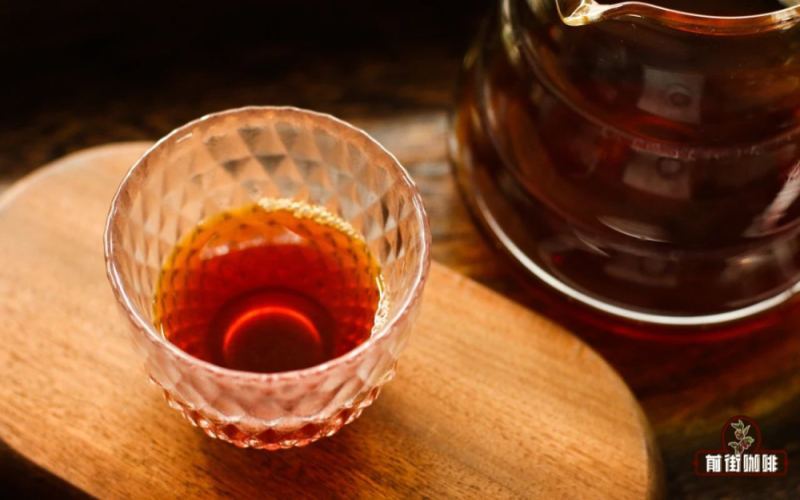
Colombia, as the world's third-largest coffee producer, nurtures many specialty coffees thanks to its high altitudes, volcanic soil, and mild climate. The Huila region is precisely the most representative star origin among them, known for its canyon-slope terrain and hand-picking. This article will focus on two distinctive single-origin coffees from the Huila region—Front Street Rose Valley and Front Street Flower Moon Night—breaking down the origin terroir, variety characteristics, and processing method differences one by one. Rose Valley uses a double anaerobic enzyme wash, with bright acidity reminiscent of fruit juice; Flower Moon Night undergoes anaerobic natural processing, with a rich yet balanced flavor. Although both originate from the Caturra variety, they present completely different flavor profiles due to different processing techniques. If you are interested in coffee beans with rose floral notes, you may want to follow Front Street's perspective and explore further. [more…]

Analysis of the Variety and Flavor of Colombia's Huayueye Coffee Beans and Sharing of Pour-Over Extraction Parameters
The name "Flower Moon Night" is quite poetic in the coffee world—what kind of coffee is it exactly? This article begins with the origin background of Front Street Colombia Flower Moon Night coffee beans, and systematically reviews Colombia's growing conditions and the distribution of its main producing regions, with emphasis on the connection between the Huila region and the Acevedo Galindo estate. It then explains the anaerobic natural processing method used for this bean, describes the characteristics of the Caturra variety, and includes Front Street's roasting curve, cupping flavors, and pour-over extraction suggestions, including dripper selection, water temperature, coffee-to-water ratio, and staged pouring technique, for coffee enthusiasts' reference. [more…]
Full analysis of the flavor differences between Colombia's Flower Moon Night and Rose Valley coffee beans: a comparison of rose aromas from the two major producing regions of Huila and Santander
In the world of coffee, some beans have inherently poetic names, and Rose Valley and Flower Moon Night are prime examples. When many enthusiasts first hear these names, they can't help but wonder: do they really carry the scent of roses? And what sets these two beans apart? This article will take you on an in-depth exploration of Flower Moon Night from the Huila region of Colombia and Rose Valley from Big Tree Estate in the Santander region, analyzing everything from terroir and varieties to processing methods and final cup profiles. This Flower Moon Night selected by Front Street Coffee comes from the Astorga Estate in Huila, while Rose Valley originates from Big Tree Farm. Both are Caturra variety, yet due to different processing methods—anaerobic natural and double anaerobic enzyme washed—they present completely distinct flavor directions. After reading this article, you will clearly grasp the core characteristics and tasting points of these two beans. [more…]
Colombian Coffee Varieties and Huayue Night Flavor Analysis: Characteristics of Good Coffee Beans and the Advantages of the Boquete Producing Region
Colombia is a globally renowned coffee-producing country, and the Huila region's Flower Moon Night coffee, produced through a combination of anaerobic natural processing and the Caturra variety, displays a unique flavor profile of strawberry, floral notes, and a dark cocoa finish. This article begins with Front Street Coffee's Flower Moon Night and extends to the advantages of the high-altitude microclimate and volcanic soil of Panama's Boquete region, analyzing the cultivation conditions and processing techniques behind good coffee beans. It also introduces the origins and flavor characteristics of the Caturra variety, as well as Gatineau Farm's practices of low-temperature slow fermentation and slow drying to enhance quality, providing coffee enthusiasts with a complete understanding from origin to cup. [more…]
Colombian Coffee Flavor Analysis: From Rose Valley to Sakura, Exploring the Regional Characteristics of Strawberry-Flavored Coffee Beans
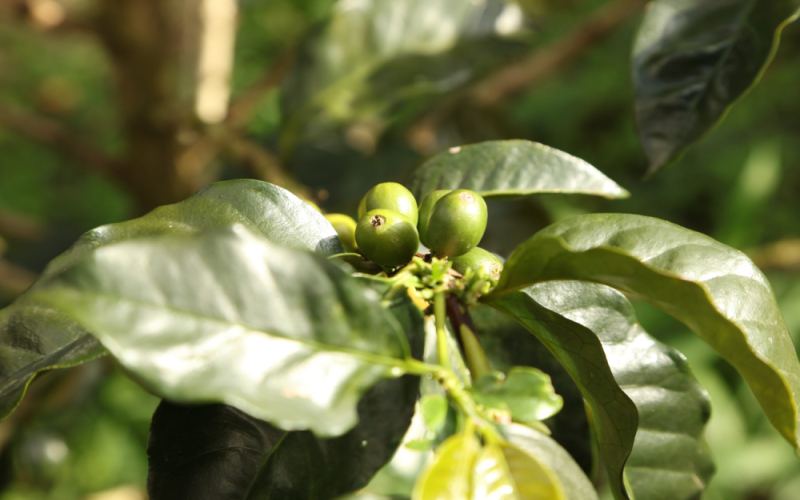
Colombian coffee is known for its balanced, smooth body and bright acidity, and on this land nourished by the Andes Mountains, different regions and processing methods give rise to distinctly characteristic flavors. This article takes you deeper into the geographical indication background of Colombian coffee and the distribution of its main producing regions, with a focus on analyzing the flavor characteristics and processing techniques of coffee beans such as Rose Valley, Huila, Flower Moon Night, and Cherry Blossom, while also sharing Front Street Coffee's brewing suggestions to help you find your ideal strawberry-flavored coffee beans. [more…]
Why Isn't Turkish Coffee Filtered? A Complete Guide to the Meanings of Fortune-Telling Patterns and Their Cultural Origins
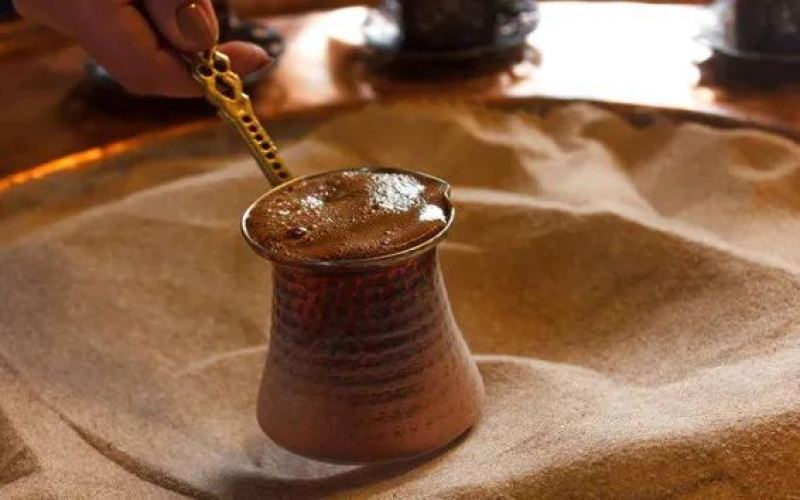
Turkish coffee is famous for its unique brewing method and rich cultural flavor. It does not use filter paper; it is drunk together with the grounds and liquid, and is made by repeatedly boiling three times in hot sand. Passed down from the Ottoman Empire to the present day, this coffee is not only a beverage but also carries the tradition of fortune-telling. This article will guide you through the historical origins, brewing principles, and steps of Turkish coffee, and provide a detailed analysis of the meanings of common patterns in coffee ground fortune-telling, such as the full moon, half moon, heart shape, and ring, allowing you to fully appreciate the charm of this ancient coffee culture. [more…]

2024 Panama BOP Multi-Variety Group Champion Dark Moon Estate: How Chiroso Went from a Vegetable Patch to World Number One
In the 28th Best of Panama (BOP) competition in 2024, the champion of the multi-variety category was won by Hacienda Black Moon's Chiroso variety with a score of 94.1. Hacienda Black Moon is located in Boquete, a famous producing region in Panama. After Hunter Tedman, the current SCAP chairman, took over, he transformed a vegetable plantation with depleted soil into a bio-friendly coffee estate. The first coffee tree was planted in 2018. In 2022, it entered the competition for the first time and won 9th place in the natural Geisha category and 11th place in the washed Geisha category, while Chiroso even won second place in the multi-variety category. This year, it went a step further and won the championship. This article will introduce you to Hacienda Black Moon's transformation process, the terroir advantages of the Boquete producing region, and how the Chiroso variety promotes the development of Panama coffee diversity. Front Street Coffee will also continue to follow the estate's subsequent performance. [more…]
Dark Moon Estate: Hunter Tedman and the Expression of Traditional Varieties
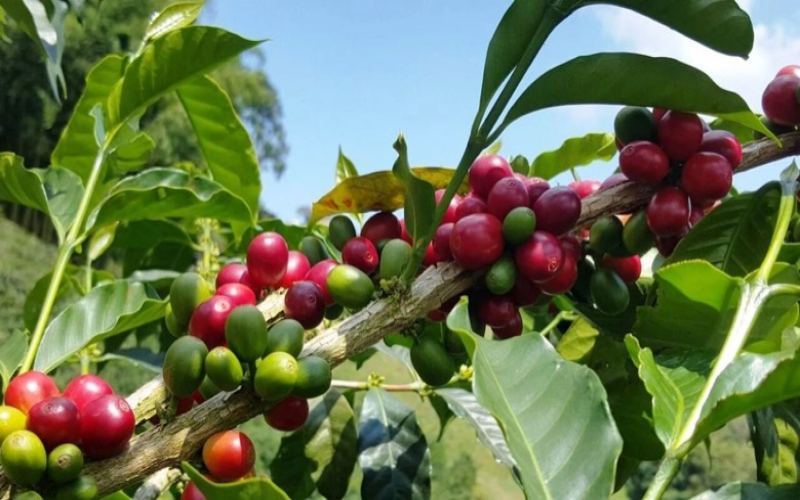
In June 2025, the 29th Best of Panama (BOP) awards were held in Boquete. In the Traditional Varieties category, Hacienda La Esmeralda took first place with a Laurina lot from its El Velo division, followed closely by a new face—Dark Moon Estate (Bl [more…]
Colombia Rose Valley and Floral Night Coffee: Flavor Differences, Processing Methods, and Pour-Over Parameter Analysis
Colombian coffee, with its hard bean characteristics brought about by high-altitude slope cultivation, has always been an excellent choice for single-origin coffee. The Rose Valley and Flower Moon Night launched by Front Street Coffee are both from Colombia and both of the Caturra variety, yet they present completely different flavor profiles due to different growing regions and processing methods. Rose Valley is known for its rich floral aroma and bright acidity, with a balanced sweet-and-sour taste like fruit juice; Flower Moon Night stands out with its striking strawberry jam flavor and fermented aroma. This article will compare these two coffees from three dimensions: growing region background, variety characteristics, and processing techniques, and will also include Front Street's brewing parameter recommendations to help coffee lovers choose the one that suits them best between the two. [more…]
Colombia Flower Moon Night and Rose Valley Coffee Bean Flavor Analysis and Detailed Explanation of Anaerobic Processing
Colombia is located in the northwest of South America, with a mild, spring-like climate that provides a superior growing environment for coffee trees. The country is an important producer of high-quality coffee worldwide, with beans mostly grown in the high-altitude regions of the Andes Mountains, requiring manual harvesting, and washed processing being relatively common. In recent years, special processing methods such as anaerobic fermentation have gradually become popular, and Front Street Coffee has also launched two representative beans, Rose Valley and Flower Moon Night. This article will compare the differences between these two Colombian coffees from the perspectives of variety, processing method, flavor performance, and brewing parameters, and introduce the characteristics of Front Street Coffee's daily beans such as Huila and Isabella, helping enthusiasts understand the diversity of Colombian coffee more systematically. [more…]
2024 Panama BOP Multivariety Category Champion Chiroso: The Rise of a Variety from Urrao, Colombia to Panama's Hacienda Dark Moon
In the 2024 28th Best of Panama (BOP) competition, Hacienda Black Moon's Chiroso submission scored 94.1 points to take the top spot in the multi-variety category, continuing this variety's impressive run on the international stage in recent years. Chiroso originates from Urrao in Antioquia, Colombia, and won the 2014 Colombia COE; it has since gradually been introduced to Panama and elsewhere. Its genetic background was once mistakenly thought to be related to Caturra, but research later confirmed that it is related to Ethiopian landraces, though it is not a natural mutation of Caturra. Chiroso beans are pointed and elongated, with prominent floral and fruity notes and complex acidity; its flavor is often compared to Geisha, with a fuller body. This article will sort through the variety's origin, spread, plant characteristics, and flavor performance, and introduce its roasting potential, providing coffee lovers with a complete variety profile. [more…]
Is Colombia Flower Moon Night a flavored bean? Analyzing the taste and characteristics of the strawberry jam-flavored anaerobic natural coffee
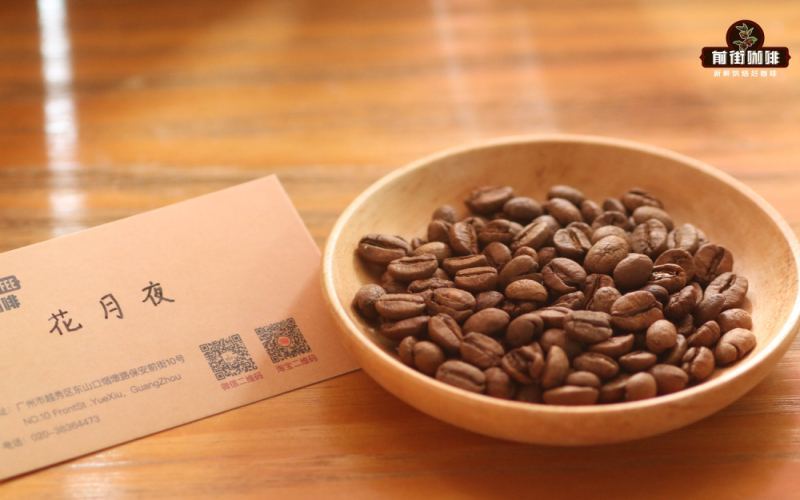
Colombian Flower Moonlight coffee beans have attracted much attention because they release an intense strawberry jam aroma as soon as the bag is opened. Many coffee lovers wonder: is such a vivid fruity fragrance the result of natural fermentation, or has flavoring been added? Starting from Front Street Coffee's cupping and brewing experience, this article sorts out this bean's producing region background, estate information, variety characteristics, and anaerobic natural processing method, and also includes Front Street's roasting curve, cupping flavors, and pour-over parameters to help you fully understand where Flower Moonlight's strawberry profile comes from and why it has become one of Front Street's most popular coffees among female customers. [more…]
Sun Moon Lake Ruby Taiwan Tea No. 18 Brewing Guide: Processing Parameters, Flavor Evolution, and Tasting Notes
Ruby Black Tea No. 18 from the Sun Moon Lake tea region in Nantou, Taiwan, is beloved by tea enthusiasts for its distinctive mint, spice, and red fruit aromas. Based on three tea samples from the Shanxi Tea Experience Set—Myanmar Assam, Taiwan Mountain Tea, and Ruby No. 18—this article documents in detail the parameters for gongfu tea brewing and the flavor changes across each infusion, from the appearance of dry leaves to the layered tastes at each steeping stage, and shares pairing insights with Black Forest chocolate cake. If you are interested in this tea's origin background, processing recommendations, or tasting methods, this note will provide practical, firsthand reference. Front Street Coffee also continuously follows such expressions of origin flavor, bringing more cross-disciplinary inspiration to coffee and tea drinkers. [more…]
Taiwan Tea No. 15 Sun Moon Lake Black Tea Flavor Notes: A Comparative Tasting of Burmese Large-Leaf Mother Trees and Ruby Taiwan Tea No. 18
This article presents flavor notes centered on TTES No. 15 (Sun Moon Lake black tea), tracing its hybrid origins with the Burmese Assam variety and native Taiwanese tea trees, and documenting a rare tasting experience of three teas from the same garden. The author uses the gongfu brewing method to taste each infusion, from the aroma of the dry leaves to the changes in flavor across five steepings, describing in detail the layered evolution of this black tea from earthy and malty notes to spice and fruity sweetness. The article also shares insights on pairing it with cherries and previews a comparison with Taiwanese mountain tea flower and Ruby TTES No. 18. Front Street brand recommendations and product information are also retained in the article, providing coffee and tea enthusiasts with a professional and sensorially detailed reference. [more…]

Flavor analysis of Huila, Colombia Huayueye coffee beans: Exploring anaerobic natural processing and strawberry notes
The Colombian coffee industry is currently facing the challenge of a shortage of picking labor due to the pandemic, while the Huila region continues to attract attention for its balanced flavor and rich fruity notes. The Flower Moon coffee beans from the Acevedo Gading farm that Front Street Coffee has acquired use the anaerobic natural processing method and are based on the Caturra variety, displaying complex flavors such as strawberry jam, cranberry, and liqueur-filled chocolate. This article will guide you through the latest developments in the Colombian production region, provide an in-depth analysis of the characteristics of the Huila region, the processing method and cupping performance of the Flower Moon coffee beans, and share Front Street Coffee's roasting and brewing insights. [more…]
How is anaerobic natural different from regular natural? A complete comparison from processing workflow to brewing flavor
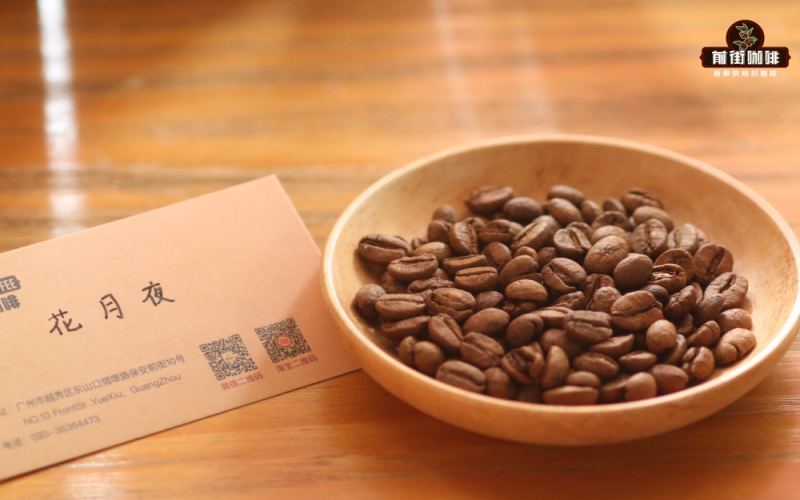
Coffee processing methods directly influence the flavor direction in the cup. Natural processing, as the most traditional method of green coffee processing, allows the fruit pulp to wrap around the seed and dry slowly, resulting in a broader flavor spectrum and greater sweetness; anaerobic natural processing, on this basis, introduces sealed low-temperature fermentation, which slows pectin decomposition and causes pH to drop more gradually, thereby accumulating more sweet compounds. This article will start from the specific processes of the two methods, analyze their effects on coffee flavor, and use Front Street Colombia Luna Night, which employs anaerobic natural processing, as an example to explain how to adjust grinding, water temperature, and pouring technique for such beans to brew a full fermented sweetness and a rounded mouthfeel. [more…]
Colombia Flower Moon Night vs. Yirgacheffe Pour-Over Comparison: Flavor Differences Between Anaerobic Natural and Washed Processing
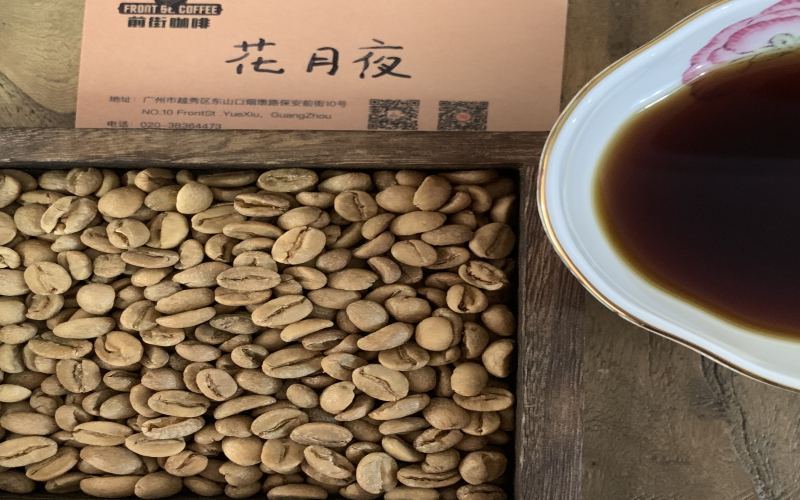
On Front Street Coffee's bean list, Colombia coffee and Yirgacheffe have always enjoyed great popularity, especially among enthusiasts who prefer sweet, fruity, and floral notes, who often find themselves torn between these two. This article uses Front Street Colombia Flower Moon Night and Front Street washed Yirgacheffe as examples to make a comparative analysis, from origin background and processing methods to actual brewing performance. Flower Moon Night uses anaerobic natural processing, bringing strawberry, jam, and a cocoa finish; Yirgacheffe, on the other hand, is a classic washed style, presenting citrus-lemon acidity, jasmine floral notes, and a tea-like body. Through this comparison, it helps you more clearly understand the flavor directions and selection choices of the two when brewing pour-over. [more…]